Meet Our Executive Director

“Donors don’t support nonprofits because of ideas alone. They support leadership they trust to make the vision real. Storytelling shaped my career, but execution shapes this work, using media not just to tell stories, but to create jobs, opportunity, and lasting impact for the community.”
— Jake Camp, Executive Director

Most bios are a highlight reel.
This isn’t that.
What follows is longer than most “About” pages because this work didn’t happen in a straight line. It was shaped by people, places, mistakes, mentors, and moments of doubt as much as by success. If you’re going to place trust in me and in this work, it feels only fair that you know the full story. Not just what I’ve done, but how I got here, what drives me, and why this matters so deeply.
If you’re here because you’re considering supporting this work, I want you to know exactly who I am, how I lead, and why this matters so deeply to me.
Thank you for taking the time to read it.
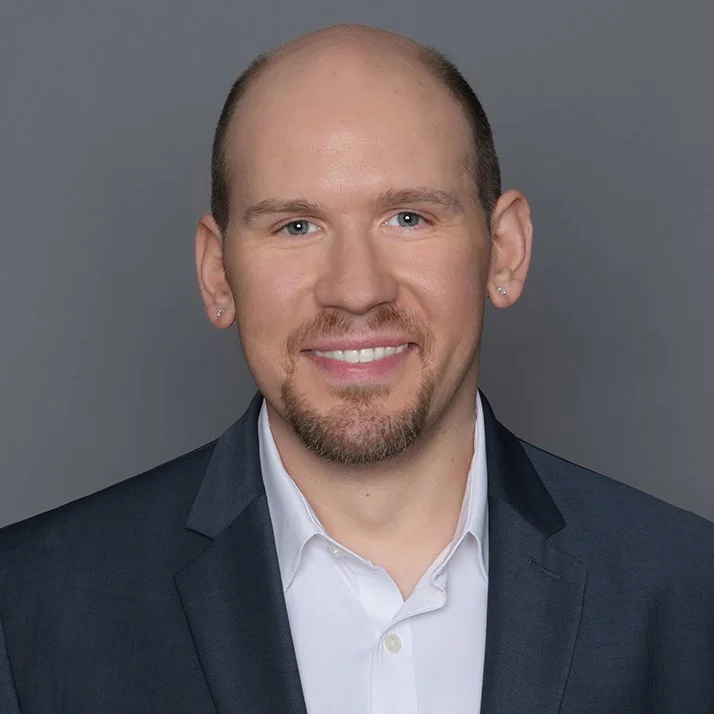
Before Jake Camp ever worked in television, he wanted to.
Growing up in North Carolina, Jake was drawn to media and storytelling, but it didn’t feel like a real option. He had never met anyone who worked in the industry, never seen a version of that life up close. From where he was, media felt far away, something that happened somewhere else.
Over time, that interest took a backseat, not because it disappeared, but because it didn’t yet seem possible.
That quiet gap between curiosity and opportunity would later become central to why this work matters to him.
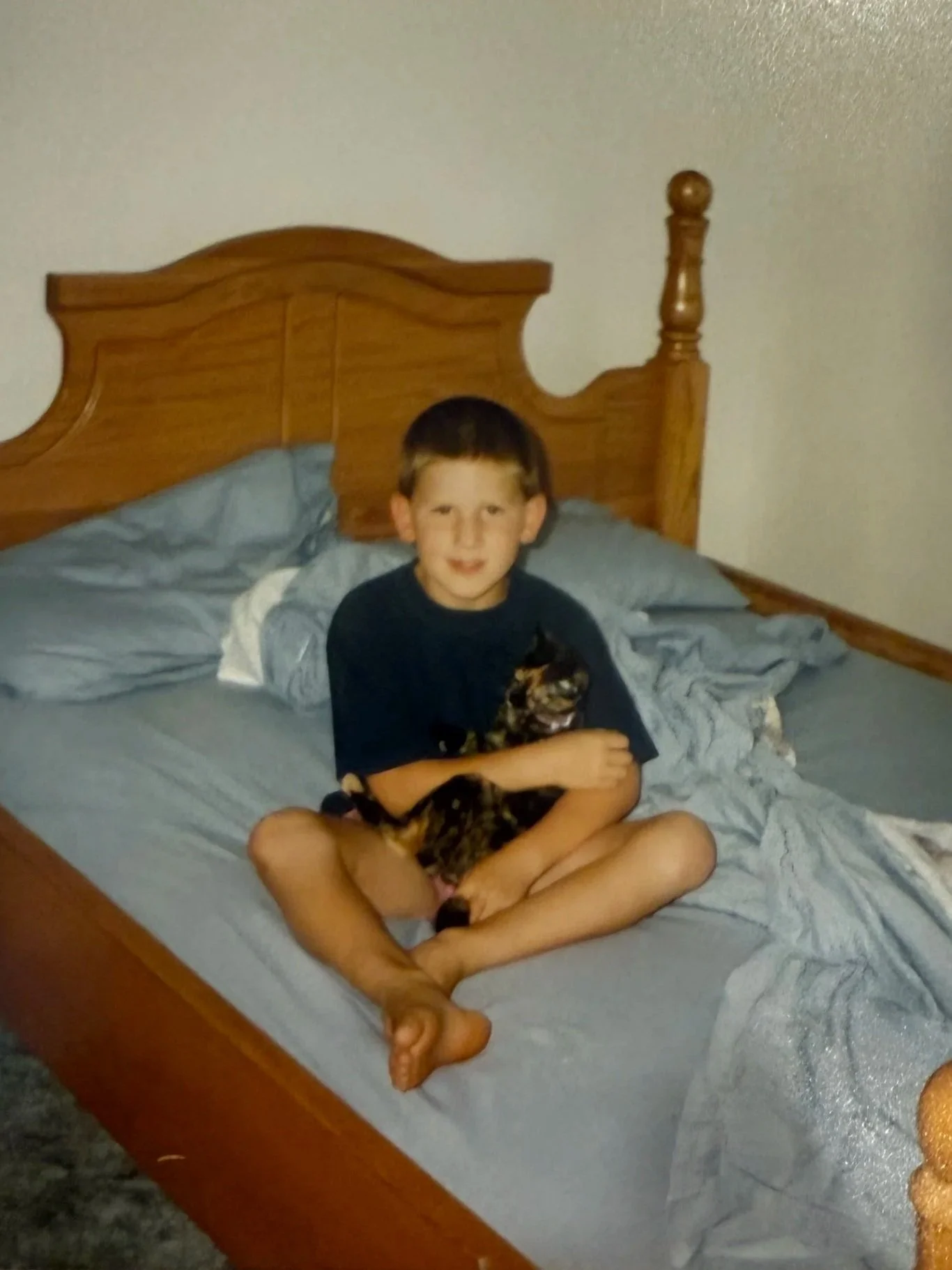
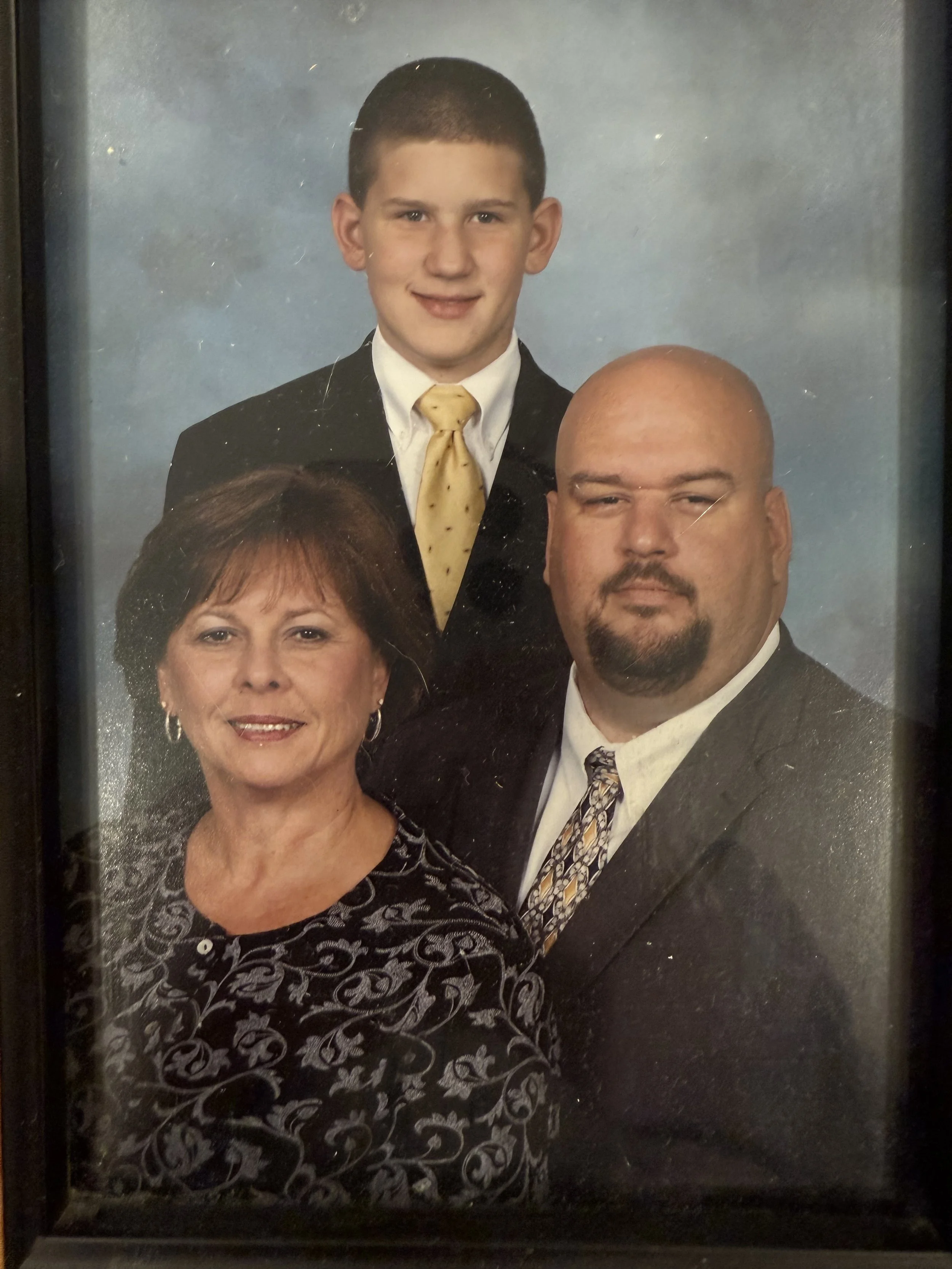
Roots: When Creativity Had No Clear Path
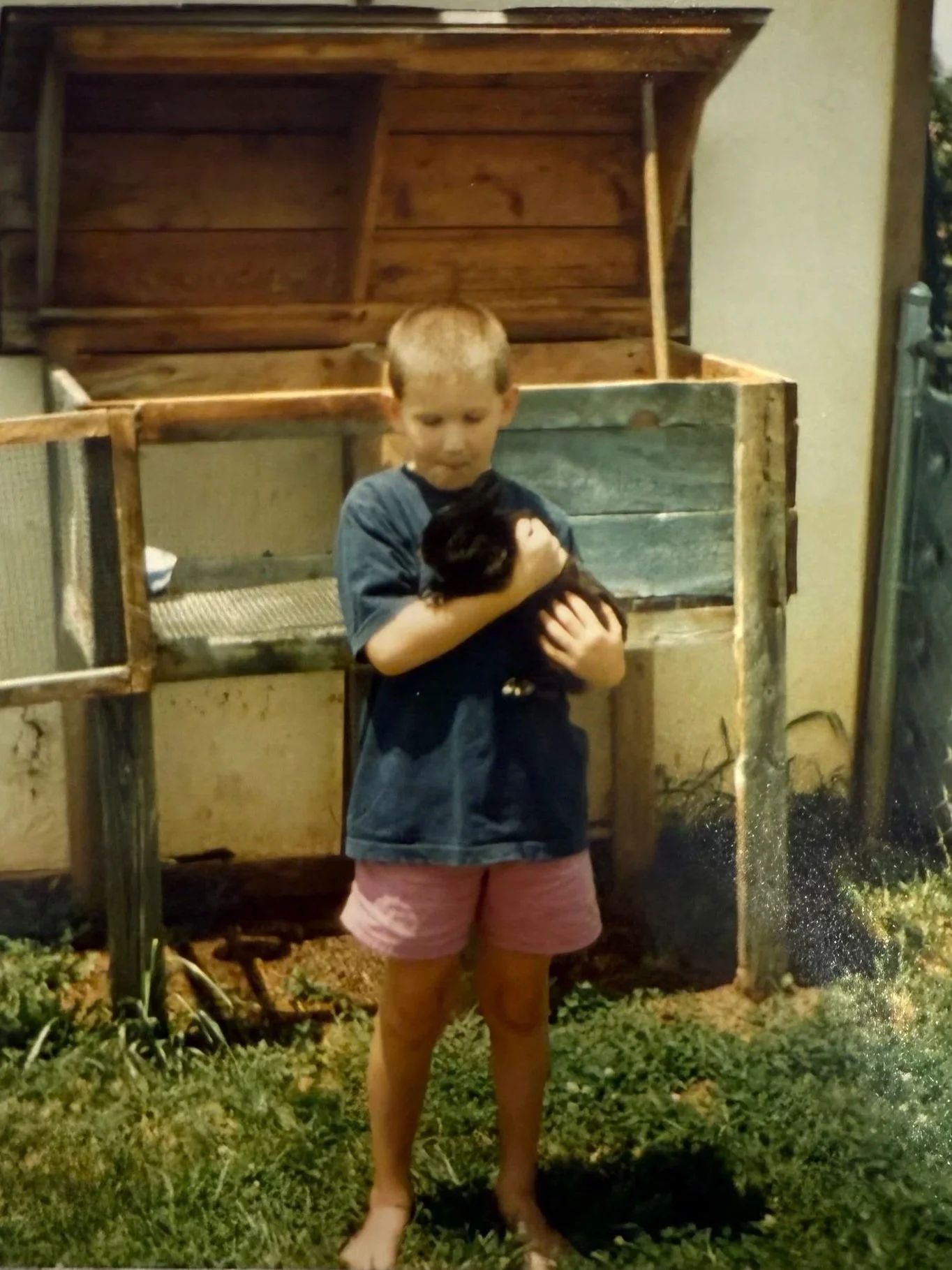
Jake grew up in Jamestown, a suburb of Greensboro, and attended Ragsdale High School, where he found his first real creative community as a member of the marching band. Through music, he learned discipline, collaboration, and the quiet power of working toward something bigger than himself. Band gave him structure and belonging, a place where creativity was shared, practiced, and taken seriously.
Creativity was everywhere. Career pathways were not. Hollywood, television, and media production felt worlds away, distant and abstract, especially from a high school in North Carolina.
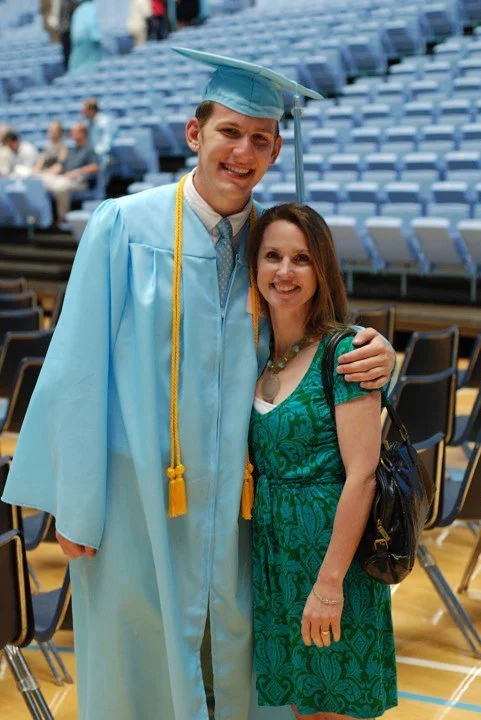
When Jake arrived at the University of North Carolina at Chapel Hill, he initially enrolled as a pre-med student, choosing a path that felt practical and clearly defined. That plan didn’t last long. Between a growing sense of misalignment and a near-disastrous experience in introductory biology (one point away from failing, to be exact!) it became clear that medicine was not where he belonged.
Everything shifted when Jake met Jack Sussman, a UNC alumnus and EVP Specials, Music and Live Events for CBS. For the first time, media wasn’t theoretical. It was real. Someone with a background like his had built a life in the industry. Jack took Jake under his wing and became an early career mentor. That single encounter reframed what felt possible and quietly redirected the course of his life.
During college, Jake secured a highly competitive internship at De Line Pictures on the esteemed Warner Bros. lot in Burbank, California. It was his first experience in Hollywood, and it confirmed what he had long suspected: this was where his curiosity and energy aligned. A subsequent internship at Universal Pictures in physical production introduced him to the operational side of storytelling, budgets, schedules, logistics, and the systems that turn creative ideas into finished work. It was there that Jake discovered a love for execution, for the details that make creativity sustainable at scale.
Back at UNC, still mindful of practicality, Jake was accepted into the Hussman School of Journalism and Media and pursued a degree in advertising, a functional pathway that allowed for flexibility if media didn’t ultimately work out. At the same time, he double-majored in communication studies and media production, determined to continue developing his creative voice alongside practical skills.
Dana McMahan, a Hussman advertising professor, took Jake under her wing and brought him to New York City on an advertising program trip. Standing together in Times Square, surrounded by light, motion, and cultures colliding, Jake felt the world expand in real time. He turned to her and said, “I’m moving here, and I’m going to work in television.” She didn’t hesitate. “Yes,” she said. “Yes, you will.”
In 2010, Jake moved to New York City without a job. That decision marked the beginning of his professional life in media, and the start of a career built on persistence, preparation, and a deep respect for the people and systems that make creative work possible.
Craft: Learning the Industry from the Inside
What followed was not glamorous, but it was foundational.
Jake’s first job in television was as a Production Assistant on The Jerry Springer Show, part of NBCUniversal. It was not an ideal starting point. The content often challenged him ethically and emotionally, but the environment demanded flexibility, speed, and a deep sensitivity to the people behind the scenes and on camera. That experience taught him something lasting: empathy matters, even, and especially, in difficult spaces.
Within six months, Jake was promoted to Associate Producer and began producing his own segments. More importantly, he learned how to stay grounded, adaptable, and professional under pressure, skills that would define the rest of his career.
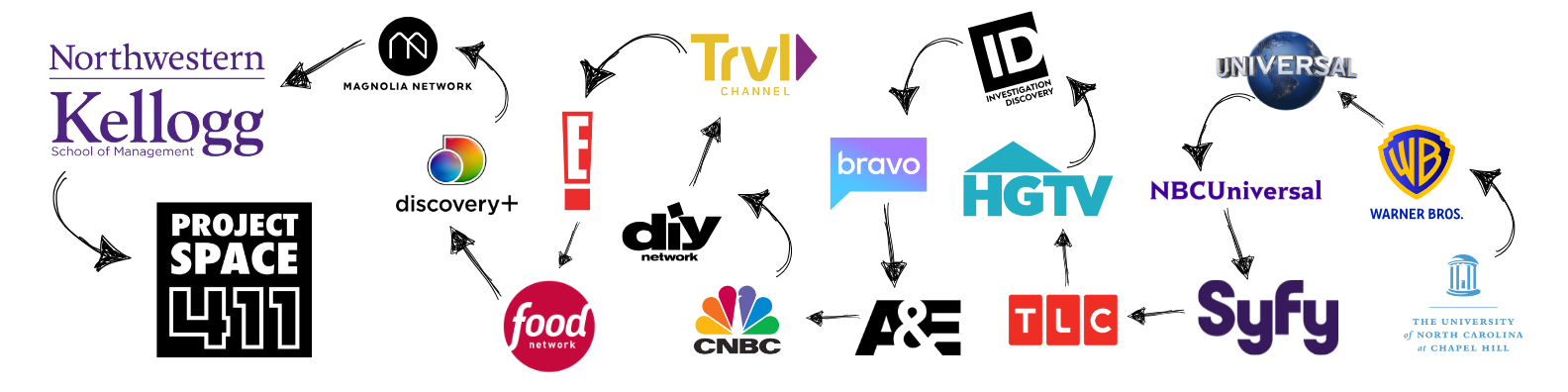
Leveraging the internal NBCUniversal network, Jake interviewed for and was accepted into the highly competitive NBC Page Program. The program immersed him alongside an extraordinary group of driven, curious, and talented peers, many of whom would become lifelong friends and collaborators. Rotating through departments across the company, Jake worked on iconic shows including Saturday Night Live, Late Night with Jimmy Fallon, and The Dr. Oz Show.
For the first time, Jake saw the full ecosystem of media up close. Advertising, operations, sports, technology, marketing, production, and post-production all working together.
After completing the Page Program, Jake was hired as an Associate Producer at Syfy, producing behind-the-scenes content for the network’s scripted series. While the role offered prestige and stability, he quickly realized that his instincts pulled him toward the heart of production. He wanted to be on set, on location, embedded in the work itself.
After a year at NBCUniversal, Jake made a decisive leap. He left the security of network employment and began freelancing. It was a significant risk, and one that required confidence, resilience, and trust in his own preparation. That leap paid off quickly. His first freelance project was BBQ Pitmasters, a series that ignited his passion for food storytelling and, serendipitously, brought him back to North Carolina for its first episode. Managing a barbecue competition in his own community felt like a full-circle moment, one he hadn’t imagined possible years earlier.
From there, Jake moved from project to project, working on series such as Kourtney and Kim Take New York (E!), Project Accessory (Lifetime), and Restaurant Divided (Food Network). Without fully realizing it at the time, he consistently gravitated toward food programming. The stories, the communities, and the shared human experience embedded in food resonated in ways he was only beginning to understand.
As his ambitions grew, Jake recognized that the next phase of his development would require another leap. New York had taught him grit, resilience, and perspective. To continue growing, he would need to challenge himself again. This time, by moving west to the media mecca itself: Los Angeles.
Craft, Meaning, and the Pull of Home
Jake moved to Los Angeles ready to deepen his craft, but it was there that his understanding of what media could be fundamentally changed.
He was hired on Long Lost Family, a project that combined everything he cared about most: family, empathy, and meaningful change. Traveling the country, the team reunited biological family members who had never met or had lost touch, often after decades apart. Watching those reunions unfold made something clear. Media could do more than entertain. It could have a profound impact on individual lives.
Just as formative was the culture behind the camera. The crew approached the work with care, patience, and integrity. Jake found a sense of belonging among people who believed storytelling carried responsibility. It showed him the kind of media environment he wanted to be part of and, one day, help create.
That perspective continued to deepen on There Goes the Motherhood, which explored parenting, community, and how society views women and motherhood. The work challenged Jake personally, exposing him to perspectives he hadn’t previously encountered. The relationships formed during that production endured beyond filming. He remains close with several of the mothers featured on the show, a reflection of the trust and authenticity he brings to his work.
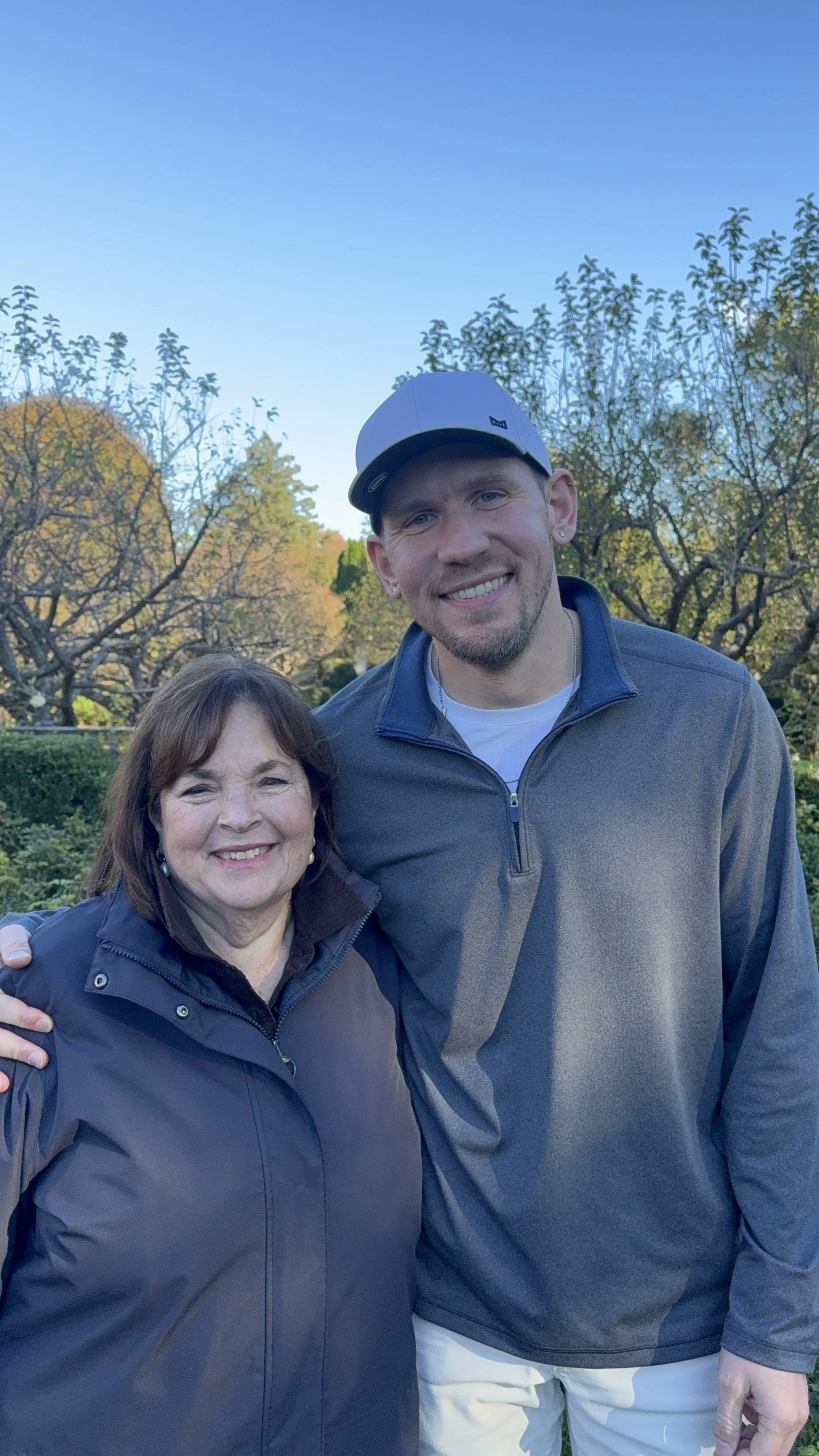
During this period, Jake also freelanced on Barefoot Contessa in Los Angeles. At the time, he saw it as a one-off opportunity. He was struck by the precision of the production, the intentionality behind every decision, the standard of excellence set by Ina Garten, and most importantly the humility behind all of it. He left the experience deeply impressed, assuming that chapter had quietly closed.
Jake’s final project in Los Angeles was Eating America with Anthony Anderson. Traveling the country to capture state and county fairs, the series explored food as identity, tradition, and pride within communities. Episode by episode, food once again revealed itself as a powerful lens for understanding place.
Then came North Carolina.
While filming an episode at the North Carolina State Fair, something shifted. Standing in familiar surroundings, watching his home state celebrated through food and community, Jake felt a deep sense of pride and belonging. It was a homecoming he hadn’t realized he was waiting for.
That moment became the catalyst.
Jake returned to North Carolina with the intention of building a life closer to home. What he didn’t anticipate was that the Barefoot Contessa opportunity would follow him. After Eating America, he was called back to work on Ina’s show again, even while living in North Carolina. What began as a single freelance job slowly evolved into a decade-long professional relationship with Ina and Pacific Productions, one that would shape Jake’s career, leadership style, and understanding of how excellence is sustained over time.
That long arc, built quietly and consistently, reinforced something Jake had come to believe deeply: meaningful creative work doesn’t require leaving home forever. With the right systems, trust, and intention, it can grow alongside the life you want to build.
North Carolina: Turning Experience into Responsibility
In 2016, Jake moved back to North Carolina, returning to Greensboro with the intention of building a life closer to home. He was still working extensively with Pacific Productions and alongside Ina Garten, and he found himself continually inspired by the way food could anchor storytelling, leadership, and community. He briefly explored opening a restaurant in downtown Greensboro, drawn to the connective power of hospitality. While that idea never materialized, it deepened his understanding of food as both culture and catalyst.
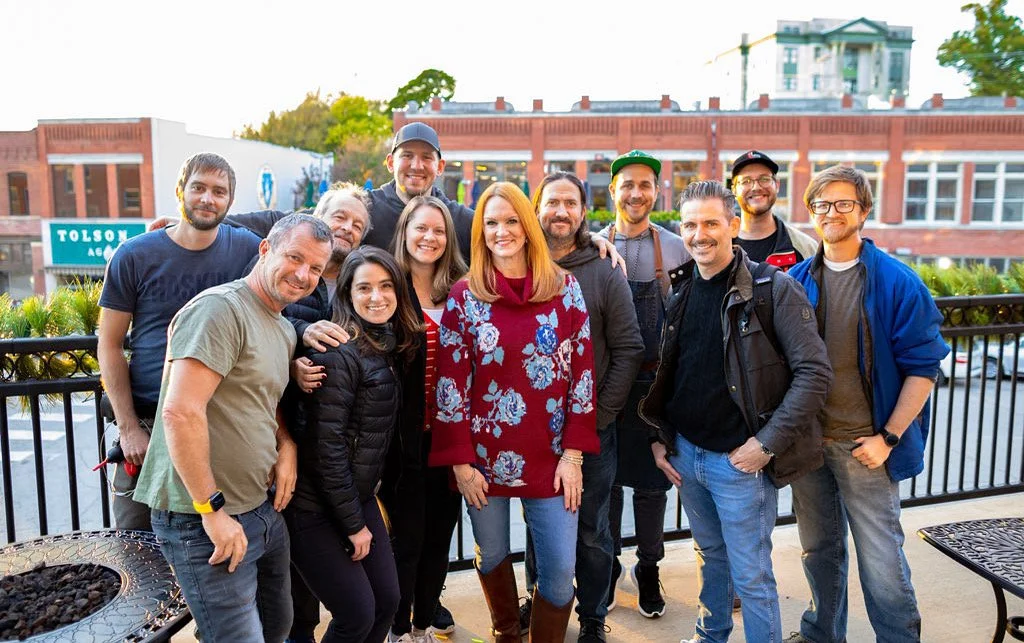
Jake’s role with Pacific expanded, and he began working on Food Network’s The Pioneer Woman with Ree Drummond. Watching Ina and Ree build two vastly different food worlds left a lasting impression. Ina’s elegant, welcoming approach stood in contrast to the rugged, labor-driven reality of Ree’s ranch in Oklahoma. Yet both resonated deeply with audiences. Jake began to see food as a universal language, one capable of cutting across geography, background, and experience.
Over time, Pacific Productions became Jake’s greatest teacher. Through years of collaboration, he learned how trust is earned quietly, how leadership shows up consistently, and how excellence is sustained over the long term. He traveled the country with Ina, witnessing firsthand the responsibility that comes with telling stories people invite into their homes. Along the way, he had the opportunity to film at the White House with Michelle Obama and Cristeta Comerford, work with Jennifer Garner in her Los Angeles home, film with Wolfgang Puck at Spago, and collaborate on specials with artists and performers including Neil Patrick Harris and Melissa McCarthy. Each experience reinforced a belief that meaningful media becomes part of people’s lives and should be created with care. What stayed with him most was not the access, but the standard.
One especially meaningful project during this time was Pioneer Woman: A Very Brady Edition, filmed inside the original Brady Bunch House. Producing a special that blended food, nostalgia, and culture in a place so deeply embedded in American memory felt profoundly full circle. It reinforced the weight and responsibility of creating moments meant to resonate beyond the screen.
During the COVID-19 pandemic, Jake served as a remote producer on Mary McCartney Serves It Up, navigating an entirely new production reality. Working across time zones and locations, he traveled to Los Angeles and helped remotely produce U.S.-based episodes featuring guests including Oprah Winfrey, Cameron Diaz, Kate Hudson, and Dave Grohl. The experience demanded a new level of clarity, trust, and problem-solving, producing high-quality television without the benefit of being physically present. It reinforced Jake’s belief that strong systems, communication, and empathy are what sustain creative work, especially in moments of uncertainty.
After the pandemic, Jake helped launch Be My Guest with Ina Garten, a series built around the simple act of welcoming guests into Ina’s home. The show brought together voices across food, arts, sports, and culture, but what stood out most was not celebrity. It was how deeply people responded to the environment Ina created. Food was the entry point. Community was the reason people stayed.
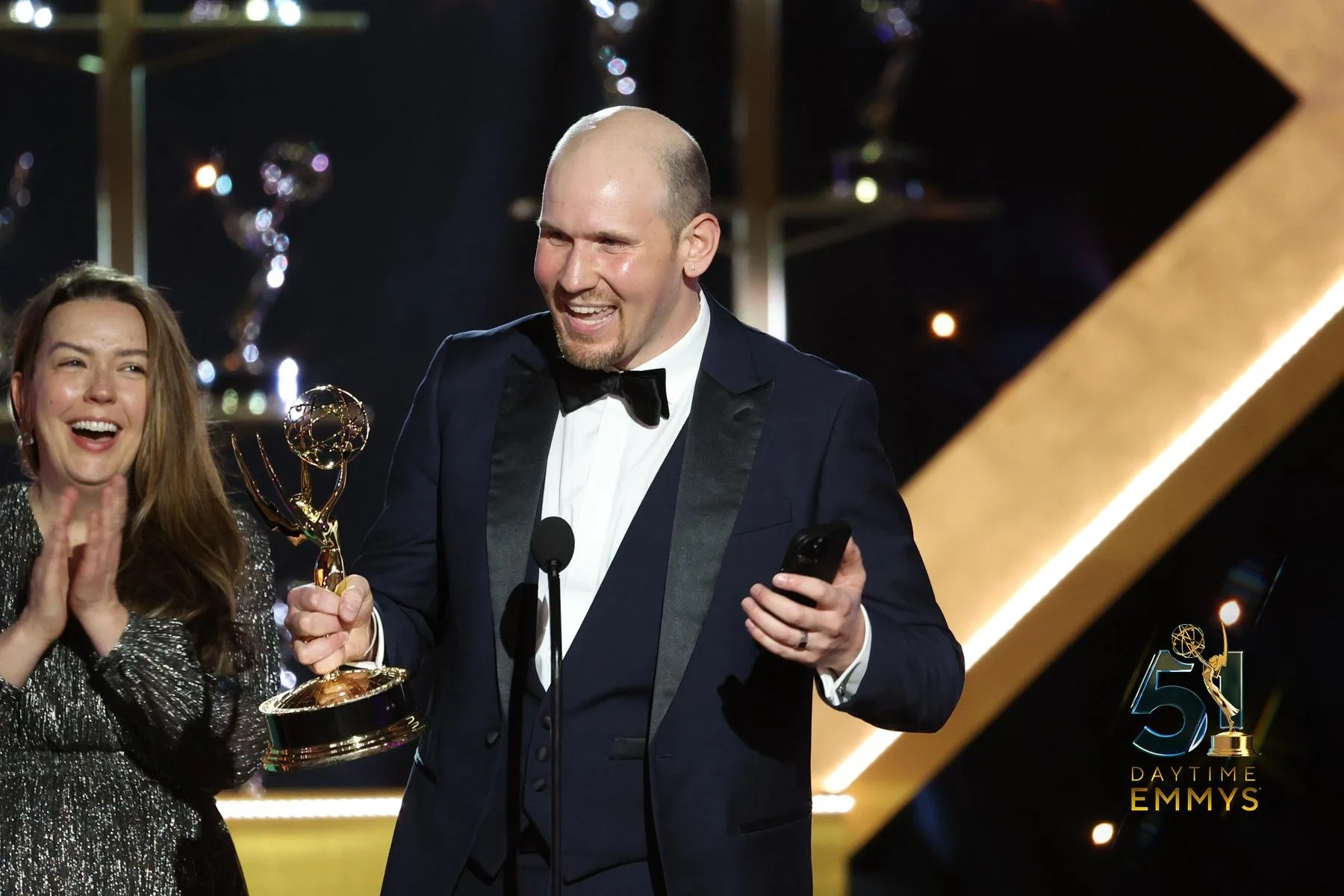
In 2024, the series received a Daytime Emmy® for Outstanding Culinary Series. Standing on that stage, Jake didn’t think about individual achievement. He thought about the mentors, collaborators, and teams who had shaped his path. The Emmy became a reminder of what is possible when empathy, preparation, and trust guide the work, and of the collective effort required to do it well.
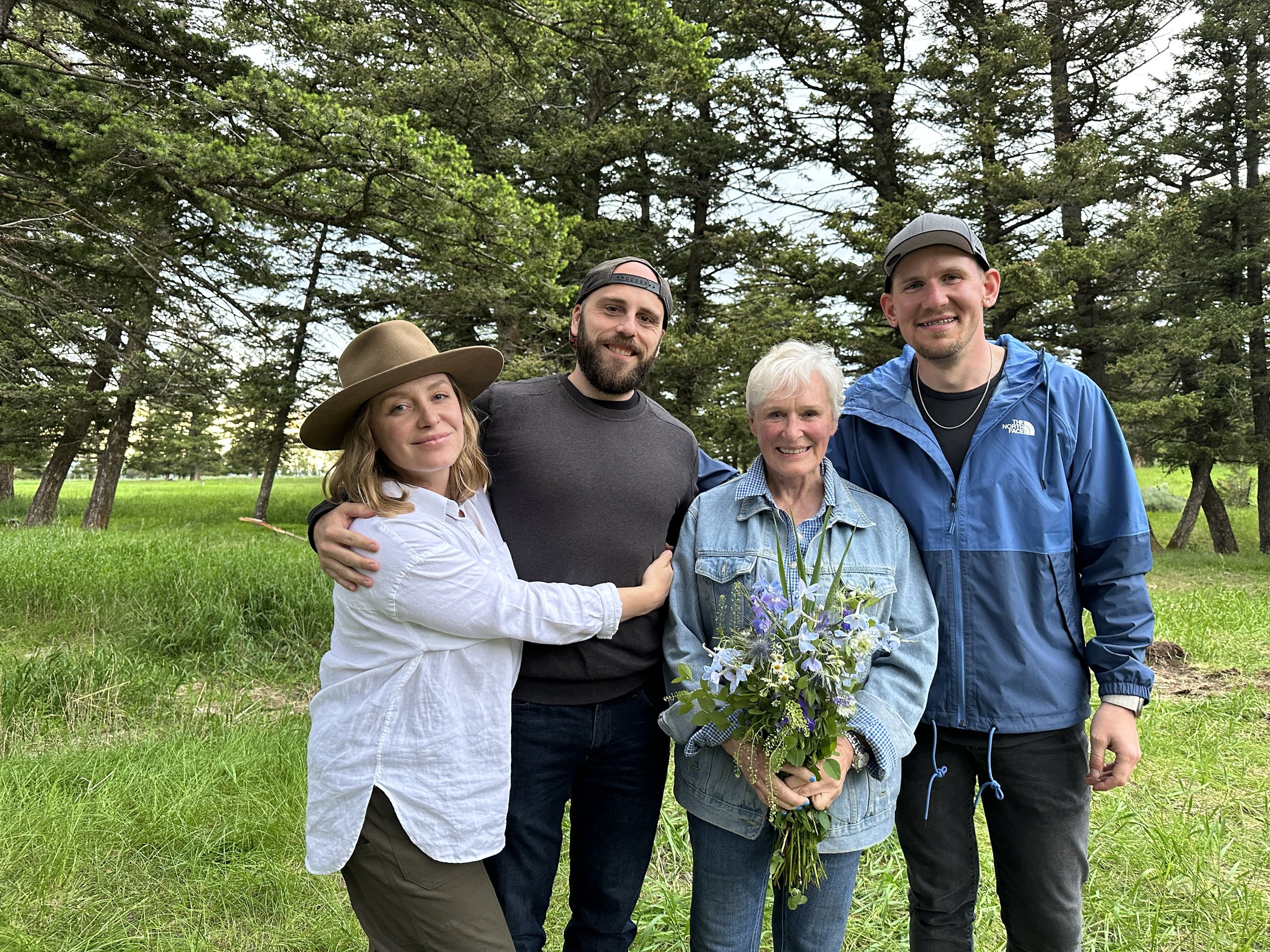
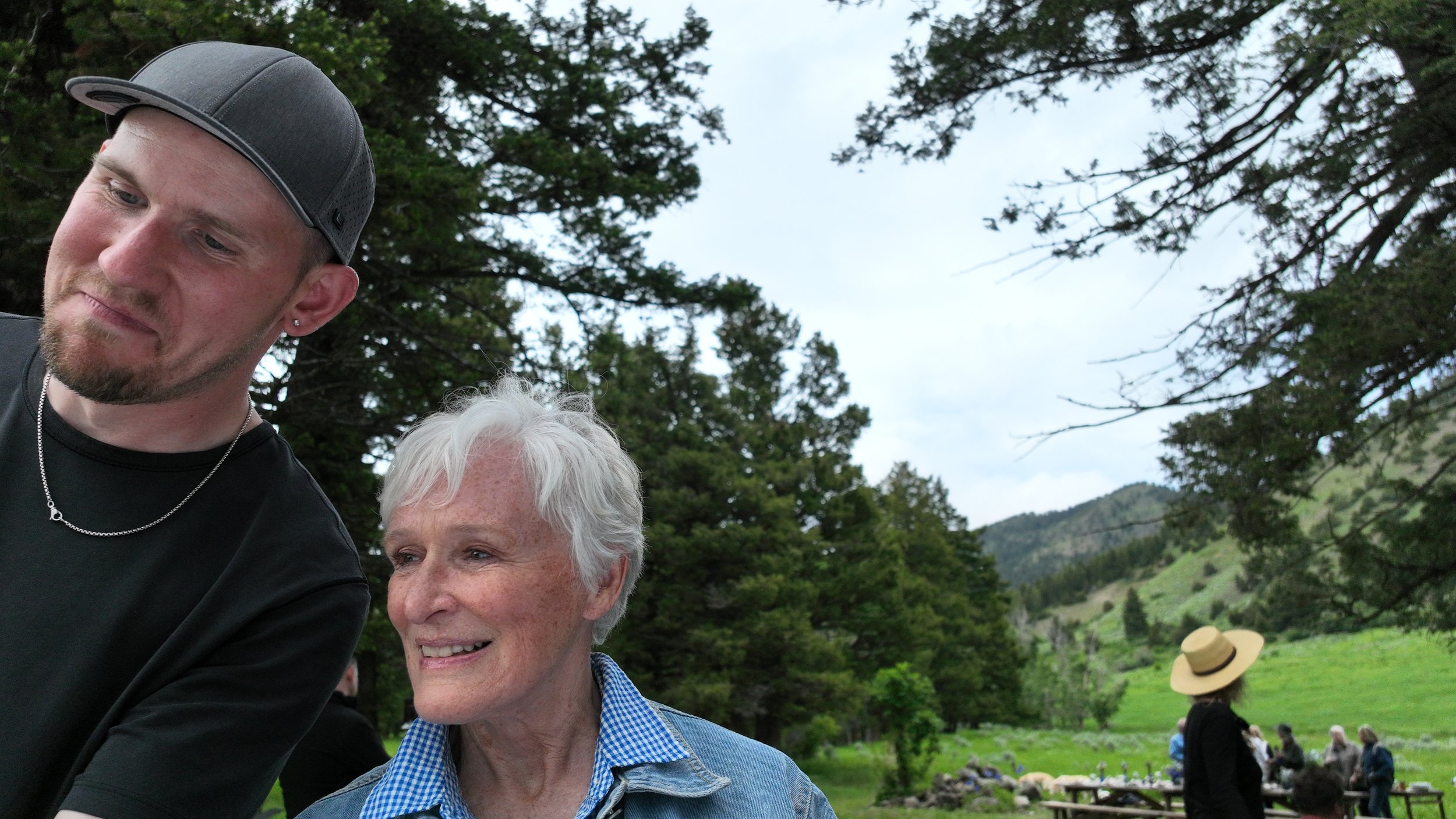
Around the same time, Jake served as Line Producer on The Mountain Kitchen for Magnolia Network, filmed on a remote ranch outside Bozeman, Montana. The series followed culinary entrepreneur and daughter of Glenn Close, Annie Starke, as she cooked seasonally inspired meals rooted in place. The production was visually stunning and logistically demanding, requiring precision, adaptability, and deep operational planning. It reinforced Jake’s belief that place-based storytelling, when paired with strong infrastructure, can be both beautiful and sustainable.
Despite the national scope of his work, North Carolina remained central to Jake’s thinking.
In 2018, he co-founded Lineage Pictures and produced the feature film 8 Slices, his first experience in narrative filmmaking. The project introduced him to the work of the Triad Film Commission and surfaced a larger truth. The region was rich with talent, creativity, and story, but lacked the infrastructure needed to fully support and retain that talent.
Seeking broader perspective, Jake spent time in Charlotte, immersing himself in the city’s food and creative communities. During that period, he was hired as Kitchen Director for The Key Ingredient with Sheri Castle on PBS North Carolina. Traveling across the state to tell stories centered on single ingredients, Jake saw how deeply food connects North Carolinians to place, history, and one another.
In 2023, The Key Ingredient with Sheri Castle (Season Two) received a Mid-Atlantic Emmy® nomination for Outstanding Lifestyle Series. While his career had included other nominations and awards, this recognition felt deeply personal. It affirmed that work created here, with local talent and deep respect for place, belonged on a regional and national stage.
Taken together, these experiences clarified something essential. North Carolina did not lack story, talent, or creativity. What it lacked was infrastructure, a dedicated space where food, media, and community could converge, and where creative careers could be built without leaving home.
That realization didn’t feel theoretical. It felt urgent, and personal.
And it led Jake to the work he is doing today.
Project Space 411: Building What Was Missing
Jake was introduced to Project Space 411 through J.D. Wilson, and from the first conversation, the mission resonated deeply. Project Space 411 existed to leverage creative assets as engines for economic development, using art, media, and innovation to strengthen the cultural and commercial fabric of Winston-Salem. It aligned naturally with the work Jake had spent his life doing and the questions he had been asking for years.
As conversations unfolded with artists, business leaders, educators, and civic stakeholders across Winston-Salem, one theme surfaced repeatedly: the city’s identity as the City of Arts and Innovation was real, but incomplete. Winston-Salem had talent, institutions, and creative energy. What it lacked was physical infrastructure where that creativity could be seen, practiced, and scaled into careers.
That gap became unmistakable the first time Jake walked into the former Canteen space on West 4th Street with J.D. Wilson and Claire Calvin. Almost immediately, the idea was clear. This wasn’t just a building. It was a media studio waiting to be built. That moment sparked the vision for Second Serving Studios.
For the next two years, Jake worked as a volunteer alongside the board and community partners, helping to plant the early seeds of Second Serving Studios. That work included shaping the vision, pressure-testing the concept with industry leaders, building relationships across higher education and the creative economy, and validating the idea through consistent, enthusiastic feedback from media professionals, business leaders, and academic partners alike.
In June 2025, Jake was entrusted with the role of Executive Director, charged with doing what he has done throughout his career: turn vision into execution.
Second Serving Studios is designed as a nonprofit media production studio with the technical and operational capacity to serve professional client-facing work, while also functioning as a culinary studio and creative learning environment. The distinction matters. This is not simply a kitchen. It is a fully realized media infrastructure capable of supporting commercial productions, branded content, events, educational partnerships, and workforce development. Nothing like it exists in the Southeast.
The nonprofit structure is intentional. It allows earned revenue from production and events to be reinvested directly into community impact, student pipelines, and creative workforce development, ensuring that success benefits Winston-Salem itself, not external shareholders. The model is both mission-driven and financially grounded, shaped by decades of industry experience and validated by partners who understand what sustainable media operations require. The studio has been shaped through conversations with producers, brands, educators, and civic leaders who understand both the creative and commercial demands of professional media production.
What excites Jake most is not just what Second Serving Studios will produce, but what it will make visible.
He imagines people walking down West 4th Street and seeing creativity in motion. Crews at work. Students learning. Professionals building careers. A studio that signals, unmistakably, that creative work belongs here. That talent does not need to leave Winston-Salem to be taken seriously. That infrastructure changes what people believe is possible.
Wilmington and Charlotte have production pipelines. Winston-Salem has the creative resources, the institutions, and the stories. Second Serving Studios is about giving the city the physical space it has been missing, and the opportunity to turn creativity into economic momentum.
For Jake, this work is not a pivot. It is the culmination of everything that came before.
Stewardship: Building with Intention
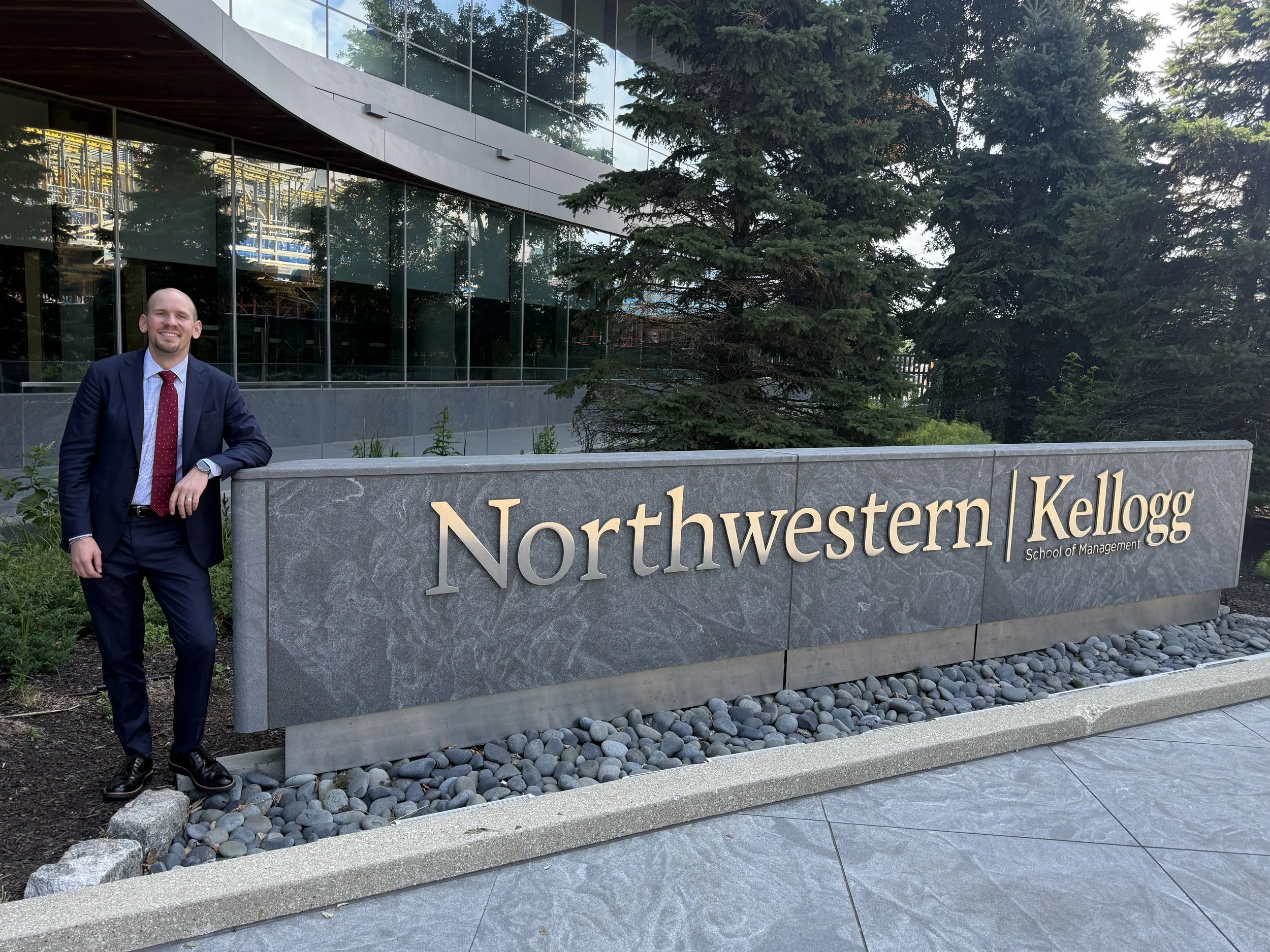
To steward this work responsibly, Jake has been intentional about deepening the skills, perspective, and accountability required to lead complex, mission-driven organizations. He is currently pursuing an Executive MBA at Northwestern University’s Kellogg School of Management, one of the world’s top business schools. His academic focus is in Product Management, reflecting a commitment to building scalable, user-centered solutions that align innovation with real-world needs.
Jake is a ROMBA Fellow, a highly selective scholarship awarded through Reaching Out MBA that recognizes leadership and impact within the global LGBTQIA+ MBA and Executive MBA community. He was also selected as a 2026 ROMBA Organizer, helping to shape the vision and programming for the world’s only LGBTQIA+ MBA conference, a global forum that brings together thousands of students, alumni, and corporate leaders each year.
At Kellogg, Jake co-founded Kellogg Global EMBA Pride, the first LGBTQIA+ student organization created specifically for Executive MBA students, establishing community, visibility, and leadership development for senior professionals across Kellogg’s global EMBA network. He was also elected by his peers to serve as a Cohort Ambassador, advocating on behalf of his class to faculty and program leadership to ensure student voices are heard and represented in key decisions. During his studies, Jake won Kellogg’s Shark Tank competition for a food-tech startup concept, further demonstrating his ability to translate ideas into executable, market-ready strategies.
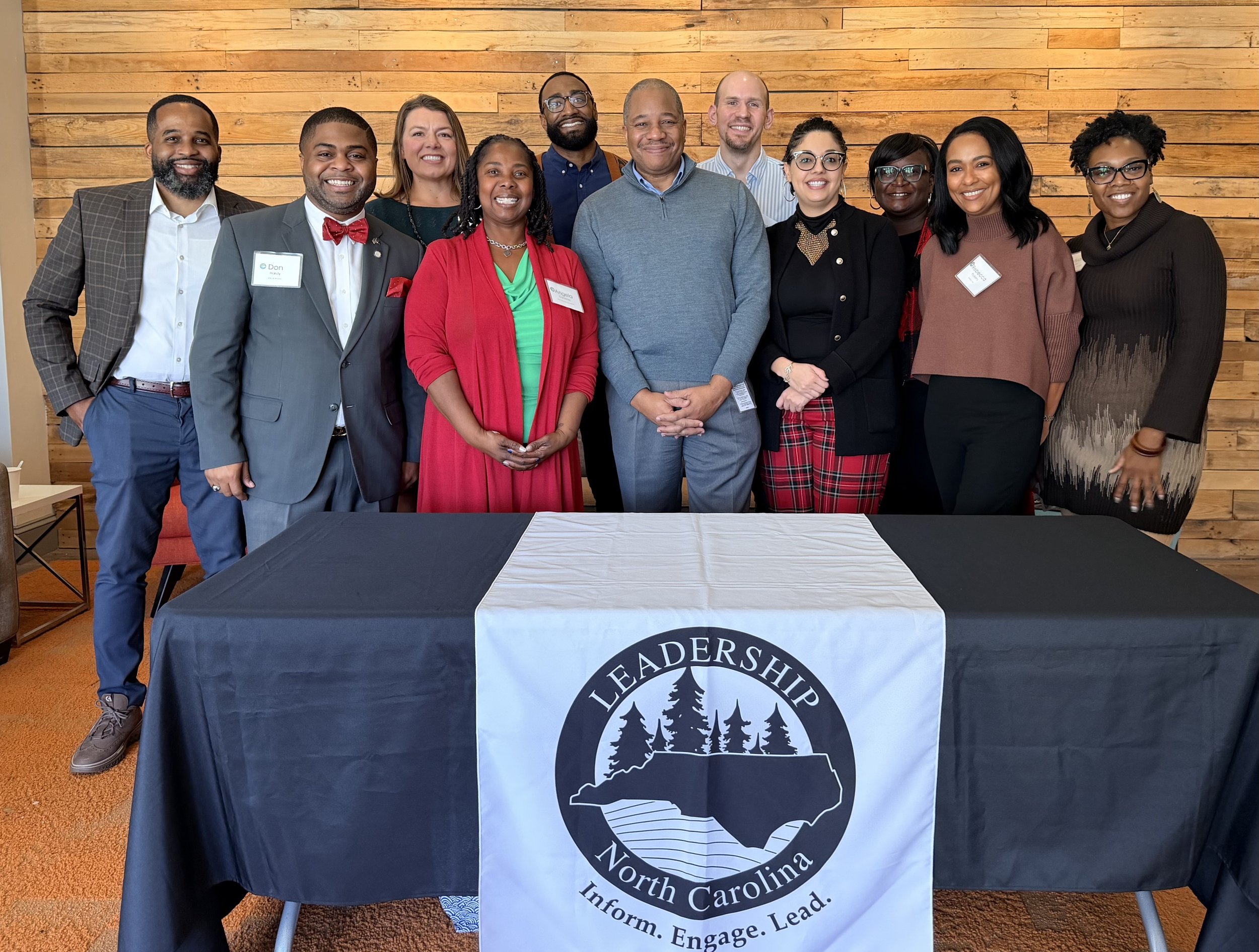
In parallel, Jake was selected to participate in Leadership North Carolina, joining a cohort of changemakers from across business, government, education, healthcare, and the nonprofit sector. Through immersive experiences across the state, the program has deepened his understanding of the interconnected systems shaping North Carolina, from education and economic development to environmental policy and civic leadership. This statewide network has proven invaluable to the work of Project Space 411, grounding local action within a broader understanding of how durable change happens.
As of January 2026, Jake has also been appointed as an Adjunct Instructor at his alma mater, the UNC Hussman School of Journalism and Media, where he teaches an Editorial course alongside his former advertising professor/mentor Dana McMahan (yes, the Times Square one!). The course explores the intersection of food and fashion through media production, art direction, and creative storytelling, empowering students to imagine new cultural and career pathways.
Across every chapter of his work, a consistent thread remains. Jake is a lifelong learner. He continues to seek out environments that challenge his thinking, expand his perspective, and connect people across disciplines. That curiosity and commitment to learning inform how he leads, how he builds, and how he works to create lasting opportunity for North Carolina’s creative communities.
Home: Responsibility Beyond the Work
At its core, Jake’s belief in building systems that support people is deeply personal.
He and his husband were foster parents for six years through the North Carolina foster care system. Each year, they completed more than forty hours of trauma-informed training, not as a requirement, but as a commitment. They believe deeply that opportunity should be equitable, and that the most meaningful change often begins quietly, by creating stability, safety, and care where it is needed most. There is no greater responsibility, or greater impact, than offering a child a safe place to land. Through the North Carolina foster system, Jake and his husband adopted three wonderful children and have the immense pleasure of being their dads.
Parenthood has reshaped how he understands responsibility. It has reinforced the importance of patience, structure, and long-term thinking, values that now guide every part of his life. Leading with empathy is no longer an idea. It is a daily practice.
Outside of his professional life, Jake finds grounding in creativity and curiosity. He is an avid photographer and astrophotography enthusiast and owns land in New Mexico where he hopes to one day build a small observatory, a place to slow down, look outward, and remember the long view. He loves to travel and has visited more than thirty-five countries, with Japan and Iceland leaving a particularly lasting impression for their balance of tradition, innovation, and reverence for place.
Food remains deeply personal as well. Jake loves to bake, and is still patiently trying to perfect the ideal croissant. For him, cooking is an act of care, a way to connect, to gather, and to offer something made by hand.
All of these threads, family, food, travel, creativity, and care, shape how Jake shows up in the world. Home is where his values are lived most honestly. It is where responsibility becomes tangible, and where the work of building a more equitable, connected community begins each day.
Why This Work Matters
Jake’s belief in food, storytelling, and social impact is rooted in something simple: people deserve to see what’s possible for themselves, right where they are.
He knows what it feels like to carry a creative spark without a clear path forward. To love an industry before knowing anyone in it. To leave home to learn what was possible, and then feel the pull to come back and build it differently. Every chapter of his life, from television sets and classrooms to kitchens and living rooms, has reinforced the same truth: opportunity changes lives when it is visible, accessible, and supported by real infrastructure.
Through Project Space 411 and Second Serving Studios, Jake is working to build the kind of place he once needed. A place where creativity is not hidden behind closed doors. Where people can walk by, look through the windows, and see careers being made in real time. Where students, professionals, and dreamers alike can imagine a future without leaving the community that raised them.
This work is not about legacy. It’s about responsibility. About returning what was given, widening the door, and staying long enough to do it well. For the next generation. For the people still searching for their footing. And for a city and a state with more story, talent, and heart than the world often gives it credit for.
And if you’ve made it all the way to the end of this page, I’m genuinely impressed. More importantly, I’m grateful. It means you care enough to read beyond the headlines, and that’s exactly the kind of belief this work is built on.
For The Visual Learners…